



If you are into diving and want to change the way you dive in the best possible way, you need to learn two things. Skills and patience! The PADI Rescue Diver course will equip you with all the necessary survival skills, and patience will come with time, confidence, and knowledge.
The best part of a scuba diving rescue course is that it teaches you self-rescue techniques, allows you to use them in open water, and makes you eligible to help another diver in need. But how do we be that capable? Let us read about it ahead.
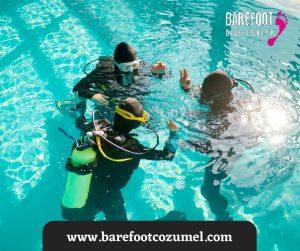
Prerequisites of the scuba rescue diver course:
To date, every diver who has passed the scuba rescue diver course has acknowledged that this course is the most challenging yet most fruitful course. Here are the prerequisites of this course
Age: 12 years or older
Certification: You must have completed Advanced open water certification or completed underwater navigation dive or (qualifying certification)
Fitness: Be physically fit and mentally stable and strong
Time: A learner should be able to commit 4 to 7 days.
Course outline:
The PADI Rescue Diver course is different from all other diving courses a diver has competed. This course teaches us to rescue and help other divers in need.
Classroom knowledge:
Learning to become a rescuer scuba diver starts in the classroom. There are two options available; classroom learning or e-learning.
You will learn about the skills before actually practicing them. You will read about fixing common equipment issues, first aid, injuries, and water rescue skills.
Activities inside water:
Once classroom learning is over, the next part is learning to use this freshly gained knowledge practically.
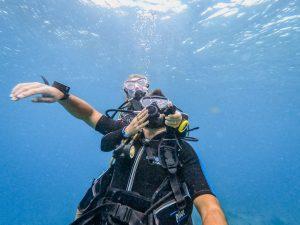
Teaching to assist tired, panicked divers
- Self-rescue: The best rule about rescuing is to first learn to rescue yourself. Here you will learn to manage with dangers you might face under the water. Whether it is disruption inside water, harm from marine life, or equipment issues, self-rescue knowledge makes you capable of dealing with it all.
- Helping panicked divers at the surface: Here you will be trained to assist panicked divers on the water surface, calm them and bring them to safety.
- Rescuing unresponsive diver: If you have opted for emergency oxygen provider and emergency first responder training, you will learn to give CPR and recognize scuba diving illness.
- Fixing minor equipment issues: While underwater, emergencies might occur due to minor equipment issues. You will learn about the scuba equipment tissues and how to fix them.
- Dealing with missing divers: You will learn what to do if a diver goes missing. How far can you go to find them? Who should you inform, and what protocols should you follow to save other fellow divers?
- Pulling and helping victims/injured divers out of the water: Pulling victims will require you to work with other divers in an organized manner and get victims to help; it will teach you teamwork.
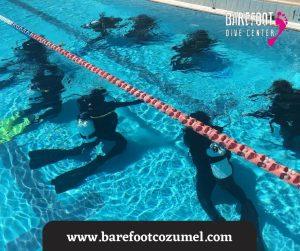
Practicing simulation exercises:
Although, passing the PADI Rescue Diver course needs all the attention and activeness. It can still be a fun and enjoyable experience that is worth remembering. When having practical training in open water, learners will be trained using simulation tests.
A fake rescue emergency will be created during the simulation test, and learners will be asked to solve it. To be a skillful rescue diver, a learner must take these simulations for real and solve them by applying skills learned effectively.
Advantages of taking a rescue diver course:
- Ability to deal with major and minor dive emergencies.
- Satisfaction of being able to save lives.
- Confidence to rescue divers and respond to underwater scenarios.
Who should take a PADI Rescue Diver course?
- Divers looking to become professional divers
- People who want to improve their confidence and diving skills
- Divers who are looking to learn diving safety for emergency situations.
Closing thoughts:
The PADI Rescue Diver course is an excellent course to take. It equips you with the tools and knowledge to rescue yourself and then look beyond yourself and help others in need.
The rescue diver course demands mental and physical strength, but it is worth every moment. Diving takes place under the supervision of an experienced diver or instructor; diving accidents are rare. So, choosing to be a rescue diver doesn’t mean one must deal with emergencies daily. However, having a skill that can help people in need and save their lives feels great.
If you are looking for the best scuba diving in Mexico or want to join certification programs, Barefoot Dive Center is the best choice. They offer fun dives and other scuba diving programs; they have passionate, skillful trainers who love what they do. To explore their services, visit their website now!
FAQ:
Is the PADI Rescue Diver course challenging?
The course is considered one of the most challenging but rewarding diving programs. It demands mental and physical strength to handle emergencies effectively.
What are the prerequisites for the PADI Rescue Diver course?
To enroll in the PADI Rescue Diver course, you must be 12 years old and have either completed the Advanced Open Water certification or the Underwater Navigation Dive (or qualifying certification). It is essential to be physically fit and mentally stable for the course.
Also Read: How Open Water Diver Course And Scuba Diving Are Different?