



Designing an order of services for a funeral is a crucial aspect of honoring and commemorating the life of a loved one. It provides structure and guidance for the memorial event, ensuring that attendees can follow and participate in a meaningful way. This article explores the key elements to consider when creating an order of service for a funeral, with a focus on design and structure.
1. Understanding the Purpose of the Order of Service
The first step in designing an effective order of service for a funeral is understanding its purpose. The order of service serves as a roadmap for the memorial event, guiding attendees through the different components and ensuring a smooth and respectful ceremony. It helps convey the individuality and essence of the departed, setting the tone for the gathering.
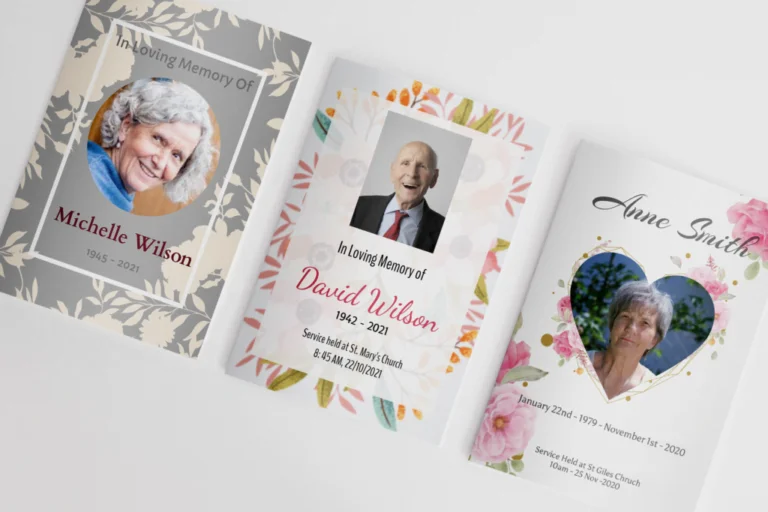
2. Personalization and Tailoring to the Deceased
One of the essential aspects of designing an order of service is personalization. Each individual’s life is unique, and the order of service should reflect the personality, beliefs, and values of the departed. Incorporating personalized elements such as favorite quotes, religious verses, or anecdotes that highlight their life can make the service more meaningful and memorable.
3. Structuring the Order of Service
a. Opening and Welcome
- Start with a warm welcome and introduction, setting a respectful and comforting tone for the ceremony. Acknowledge the attendees and express gratitude for their presence.
b. Memorial Tribute
- Include a dedicated section for eulogies, speeches, or tributes that celebrate the life and achievements of the deceased. This can be presented by family members, friends, or a designated speaker.
c. Religious or Spiritual Components
- If the deceased or their family follows a particular faith or spirituality, incorporate relevant prayers, hymns, or readings that align with those beliefs.
d. Reflection and Sharing of Memories
- Allow a moment for attendees to share their memories, stories, or thoughts about the departed. This can be an open forum or organized sharing.
e. Closing and Committal
- Conclude the service with final remarks, expressions of gratitude, and information about any post-service gatherings or activities. If applicable, provide details about the committal, burial, or cremation.
4. Design and Presentation
a. Layout and Typography
- Choose a clear and readable font for the order of service design, ensuring it’s easily legible for all attendees. Organize the content in a logical and aesthetically pleasing layout.
b. Incorporating Visuals

- Include photographs or images of the deceased to personalize the order of service and evoke cherished memories.
c. Color Scheme and Theme
- Select an appropriate color scheme and theme that reflects the personality of the departed or aligns with the tone of the event.
5. Coordination and Communication
a. Collaboration with Funeral Director
- Work closely with the funeral director to ensure seamless coordination and to incorporate any necessary logistical details into the order of service.
b. Clear and Timely Communication
- Communicate the order of service in advance to speakers, performers, and other participants to ensure they are prepared and organized for the event.
Conclusion: Designing an order of service for a funeral requires thoughtful consideration of the purpose, personalization, structure, design, and coordination. By incorporating these key elements and adhering to best practices, you can create a meaningful and memorable order of service that truly honors the life of the departed.