



Making your soap is a fun and creative hobby that can result in unique, customized toiletries. Making your soap lets you choose exactly which ingredients and experiment with fragrances, colors, and textures. In this detailed manual, we will show you how to make soap from scratch, from start to finish, with particular attention paid to packaging and appropriate materials like Kraft paper, cardboard, and corrugated paper, particularly Soap Wrappers.
Introduction
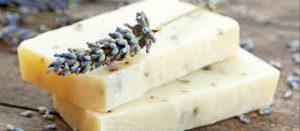
Making soap is a fun and fulfilling hobby that gives you complete control over your hygiene regimen. Making your soap bars at home gives you complete control over the ingredients, letting you create a unique and customized soap bar. Soap wrappers are a great example of attractive packaging that serves multiple purposes: they protect the soap from damage and give your products a polished look.
The Fundamentals Of Soapmaking
Soap-making can be dangerous if you don’t take the proper measures and learn the essential components and tools required beforehand.
Substances And Tools, Section
You’ll need the following things to create soap at home:
- Oils used as a foundation include olive, coconut, and palm oil.
- “lye” or sodium hydroxide
- Water
- Oils of various scents or essential oils (optional).
- Pigments (such as those found in herbs, spices, and cosmetics)
Get together the following tools:
- Glass or metal containers that can withstand high temperatures.
- Thermometer, stir-stick, or blender
- Silicone soap molds (or any other kind)
- Gear up with safety essentials like goggles, gloves, and long sleeves
Cautionary Measures
Lye, a highly acidic material, is used in the soapmaking process. To avoid injury during the soap-making process, observe these safety measures:
- Remember to open some windows or doors before starting work.
- Protect your eyes, hands, and arms by donning safety glasses, gloves, and long sleeves.
- To neutralize accidental lye spills, have some vinegar or citric acid solution on hand.
- Never put lye into water, but always add water to the lye.
- Don’t let the kids or the pets in the office.
How Soap Is Made
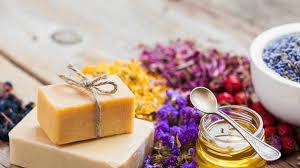
Now that you know the fundamentals, we can go on to the actual procedure of manufacturing soap. First, we’ll clean and organize the work area, then we’ll measure and combine the ingredients, then we’ll add the scent and color, and last, we’ll shape and cure the soap.
Getting Ready for Work Make sure your desk is clear, tidy, and distraction-free before you begin. Protect the floor and nearby furniture from accidental spills by laying down a plastic drop cloth or a stack of newspapers. Put all the tools and supplies you’ll need within reach.
The Ingredients: Measuring And Blending
Start by getting accurate measurements of the lye and water you’ll need. Add the lye to the water slowly while stirring carefully. The mixture must be allowed to cool. In the meantime, put the required essential oils into a separate container and heat them to the ideal temperature. Mix everything with a stick blender until it reaches a “trace” consistency when it has cooled down.
Infusing with Scent and Color At this point, you can customize your soap by adding colorants and aroma oils. Be sure to combine everything well to avoid any lumps. Always use perfumes and dyes intended for use in cosmetics that are safe for the skin.
Soap Making
Here comes the exciting part! The soap batter should be poured into soap molds. To remove air bubbles, tap the molds softly on a flat surface. Soap needs at least 24 hours to cool and harden after being made. The soap bars should be removed from the molds and placed on a drying rack afterward. Cure them for a few weeks, flipping them over so they dry evenly.
Soap Boxes And Their Significance

Soap packaging serves two essential functions: keeping the soap safe during transport and showing it off to potential buyers. When deciding on a soap’s packaging, keeping the soap’s quality and visual appeal in mind is essential. Suitable materials, such as Kraft paper, cardboard, or corrugated paper, provide great soap packaging alternatives.
Choosing Appropriate Packaging
Soap packaging should be made from non-toxic, eco-friendly materials that reflect the brand’s aesthetic or the individual’s taste. Cases, wood, liqueur, packing, plastic or biodegradable plastic, glass bottles, packaging, metal, tin, blisters, or bespoke packaging are all things you should avoid.
The Potential Of Kraft, Cardboard, And Corrugated As Suitable Materials
Kraft paper, cardboard, and corrugated paper are three of soap bars’ most often used packaging materials. These materials are long-lasting, adaptable, and environmentally friendly.
Kraft Paper: Soap bars are best wrapped with Kraft paper due to the paper’s durability and strength. The soap is protected from environmental elements while maintaining its rustic appeal thanks to its all-natural appearance. Printing logos, designs, or product information is a breeze on Kraft paper.
Cardboard: The extra protection that cardboard packaging provides for soap bars is advantageous. It’s perfect for exhibiting soap in stores because it’s more sturdy than Kraft paper. Packaging them in custom-designed cardboard boxes or sleeves increases the visual appeal of your soap goods.
Corrugated Paper: Corrugated paper is an excellent choice to wrap more significant items, such as soap bars or gift sets. The unique design protects the soap bars from harm during shipment. Because of its versatility, corrugated packaging is an excellent gift presentation option.
Conclusion
Homemade soapmaking is a fun and rewarding hobby. This article will walk you through making custom soap bars from scratch using only safe, high-quality materials. Soap wrappers constructed from sturdy materials like Kraft paper, cardboard, or corrugated paper provide a professional touch and keep your soap safe. At the same time, it’s being stored or transported.