



In the bustling world of packaging, ensuring that products are secure and intact is paramount. This security often hinges on one unsung hero: the strapping roll. As the backbone of many packaging operations, knowing how to utilize and maintain these rolls is crucial for optimal efficiency. From the garage entrepreneur shipping out their first batch of products to the large-scale operations of multinational corporations, the principles remain the same. In this article, we’ll guide you through the nuances of strapping rolls, their proper usage, and maintenance tips to guarantee packaging efficiency.
Types of Strapping Rolls
Strapping rolls play a pivotal role in packaging and securing goods for transport. They are the silent guardians ensuring that products, whether delicate or bulky, reach their destination in impeccable condition. As technology and manufacturing have evolved, so have the materials used for strapping. With a plethora of options now available, let’s delve deeper into the four primary types of strapping rolls in the market and what makes each unique.
1. Polypropylene (PP) Strapping Rolls: The Lightweight Champion
Polypropylene, often abbreviated as PP, stands out primarily for its lightweight properties. Don’t be fooled by its seeming frailty; this strapping material offers a commendable tensile strength ideal for bundling and securing lighter loads. PP strapping is typically chosen for tasks like palletizing cartons, bundling newspapers, or securing small boxes. Its elasticity ensures that it snugly fits around packages, minimizing slack. Moreover, its cost-effectiveness and recyclability make it an environmentally conscious and economical choice for businesses.
2. Polyester (PET) Strapping Rolls: The Heavy-Duty Performer
When strength is of the essence, polyester or PET straps come into play. Often considered a modern alternative to steel straps, PET boasts a strength that is comparable, making it suitable for strapping heavier goods. Its ability to retain tension over time is especially valuable for packages that will be stored or transported over extended periods. Given its rust-proof nature, unlike steel, PET straps have gained popularity in industries that handle appliances, bricks, or timber
3. Steel Strapping Rolls: The Stalwart of Strength
Materials like steel are known for their sturdiness and strength. Steel strapping rolls have been the traditional choice for decades, especially when it comes to extremely heavy or bulky goods that require an unparalleled level of security. Think of products like heavy machinery, metals, or construction materials, and you’ll understand why steel is often the go-to choice. Its rigidity ensures minimal stretch, guaranteeing that goods stay in place regardless of the rigors of transit. However, users should be mindful of potential rusting and the need for safety gear when handling steel straps.
4. Nylon Strapping Rolls: The Adaptive Protector
Nylon strapping is the embodiment of resilience. Its unique property lies in its ability to stretch and then retract, acting as a cushion and absorbing shocks during transportation. This elasticity makes nylon straps especially suitable for goods that might settle or shift, such as electronics or furniture. As the package contents settle, the nylon strap maintains its tension, ensuring the product remains secure throughout its journey.
The Proper Method of Using Strapping Rolls
With a plethora of options, how do you ensure you’re using your strapping roll correctly? For assistance, follow to these simple steps:
Select the Right Strap: Not all goods are created equal. A carton of books differs from a pallet of bricks. Based on the weight and type of package, select the strap that offers the required strength.
The tension in strapping can make or break your packaging.
Too Much Tension: This can lead to package deformation or, worse, break the strap.
Too Little Tension: Insufficient tension may result in the goods shifting during transit, risking damage.
Equip Yourself with the Right Tools: Whether you’re a seasoned strapping manufacturer or just starting, having the right tools is paramount.
Manual tensioners and sealers: Ideal for smaller operations, they allow for hands-on control.
Pneumatic and battery-powered tools: Best for larger operations, ensuring consistent tension and sealing.
Perfect Your Sealing Technique: Ensure that the seal is secure and robust. A weak seal can compromise the entire package.
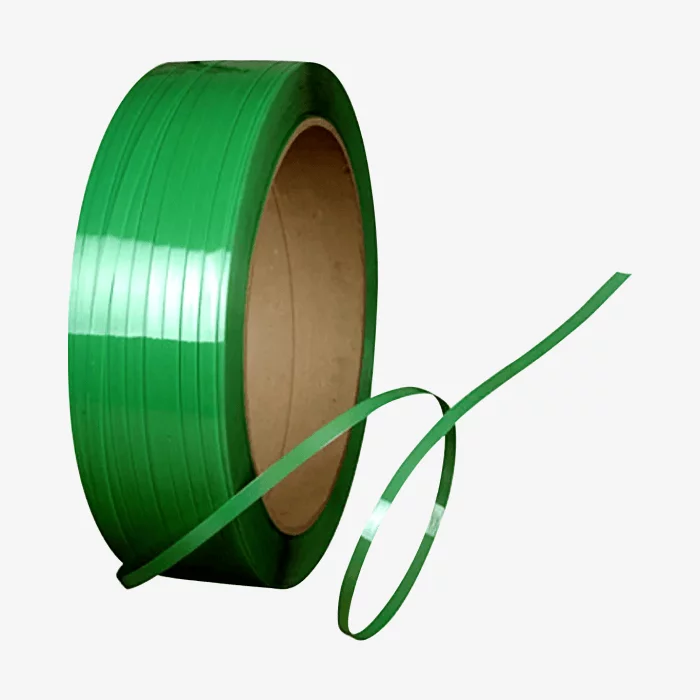
Maintenance of Strapping Rolls for Longevity
Maintaining your strapping rolls not only ensures efficient packaging but can also save costs in the long run. Here’s how you can do it:
Storage is Key: Store your rolls in a cool, dry place. Whether it’s polypropylene or steel, every material has its enemies. Moisture, for example, can weaken many straps, while direct sunlight might degrade others.
Inspect Regularly: Like any tool, wear and tear on strapping rolls are inevitable. Regularly check for any damages or imperfections, especially if you’re a frequent user.
Dispose with Care: If a roll is damaged or has reached the end of its lifespan, ensure it’s disposed of properly. This not only ensures efficiency but is also an environmentally responsible practice.
Tips for Enhancing Packaging Efficiency with Strapping Rolls
To ensure that your packaging operations run seamlessly:
Train Your Staff: Knowledge is power. Ensure that everyone involved in the packaging process is trained on the best practices of using strapping rolls.
Invest in Quality: As with all things, quality matters. Whether it’s the strapping itself or the tools you use, investing in high-quality materials can enhance efficiency and reduce costs in the long run.
Monitor Tension: Regularly check and adjust the tension of your straps. This not only ensures that goods are secure but also that they’re presented in the best possible manner.
Conclusion
In the realm of packaging, the strapping roll might appear as a simple tool, but its importance cannot be understated. By using it correctly and maintaining it well, businesses can ensure that their products reach customers in perfect condition, enhancing brand trust and loyalty. At Radhe Plastics Ltd, our commitment is not just in producing quality hose pipes but also to sharing knowledge and best practices in the industry. Whether you’re a seasoned strapping manufacturer or a novice, we believe in empowering everyone with the knowledge to achieve packaging efficiency. After all, in a world driven by consumer satisfaction, ensuring that products reach in impeccable condition is the first step towards business success.