



Without Furniture, A Room Is Empty
Yes, that’s correct. Furniture is an essential element in a room, as it provides function and enhances the overall aesthetic appeal of the space. A room without furniture can feel cold, uninviting, and lacking character.
Furniture pieces, such as Florence Dining chairs, sofas, tables, and cabinets, not only serve practical purposes but also bring life to a room and help to create a cohesive and inviting environment.
They also play a crucial role in establishing the scale and balance of a room, defining spaces, and creating focal points. Without furniture, a room can feel unfinished and empty.
How important is Furniture for a House?
Furniture is an essential aspect of a house as it serves several functions and enhances the overall look and feel of the space. Here are some reasons why furniture is vital for a home:
- Comfort: Furniture provides comfort and support, enabling people to sit, recline, or sleep comfortably.
- Style and aesthetics: Furniture can play a significant role in the style and aesthetics of a home, adding character and visual appeal to the space.
- Functionality: Furniture provides functional elements that make a house a home. It can provide storage, work surfaces, and seating, among other things.
- Organization: Furniture helps organize and utilize the space in a house, allowing for efficient and effective use of the available area.
- Utility: Furniture can provide added utility to a house, such as lighting, entertainment, or workspaces.
- Memories: Furniture can be a source of memories, as it is often associated with special events, gatherings, or other significant moments in life.
Furniture is an essential aspect of a house, providing comfort, style, functionality, organization, utility, and memories to the space. The right furniture can turn a place into a welcoming and comfortable home.
The Role of Furniture in Interior Design
Furniture is crucial in interior design as it provides function and aesthetic appeal to a space. The right furniture can enhance the overall look and feel of a room and provide comfort and practicality. Some of the critical roles of furniture in interior design include:
- Providing function: Furniture serves practical purposes such as seating, storage, and work surfaces. Interior designers consider the intended use of space when selecting furniture to ensure the room is functional and efficient.
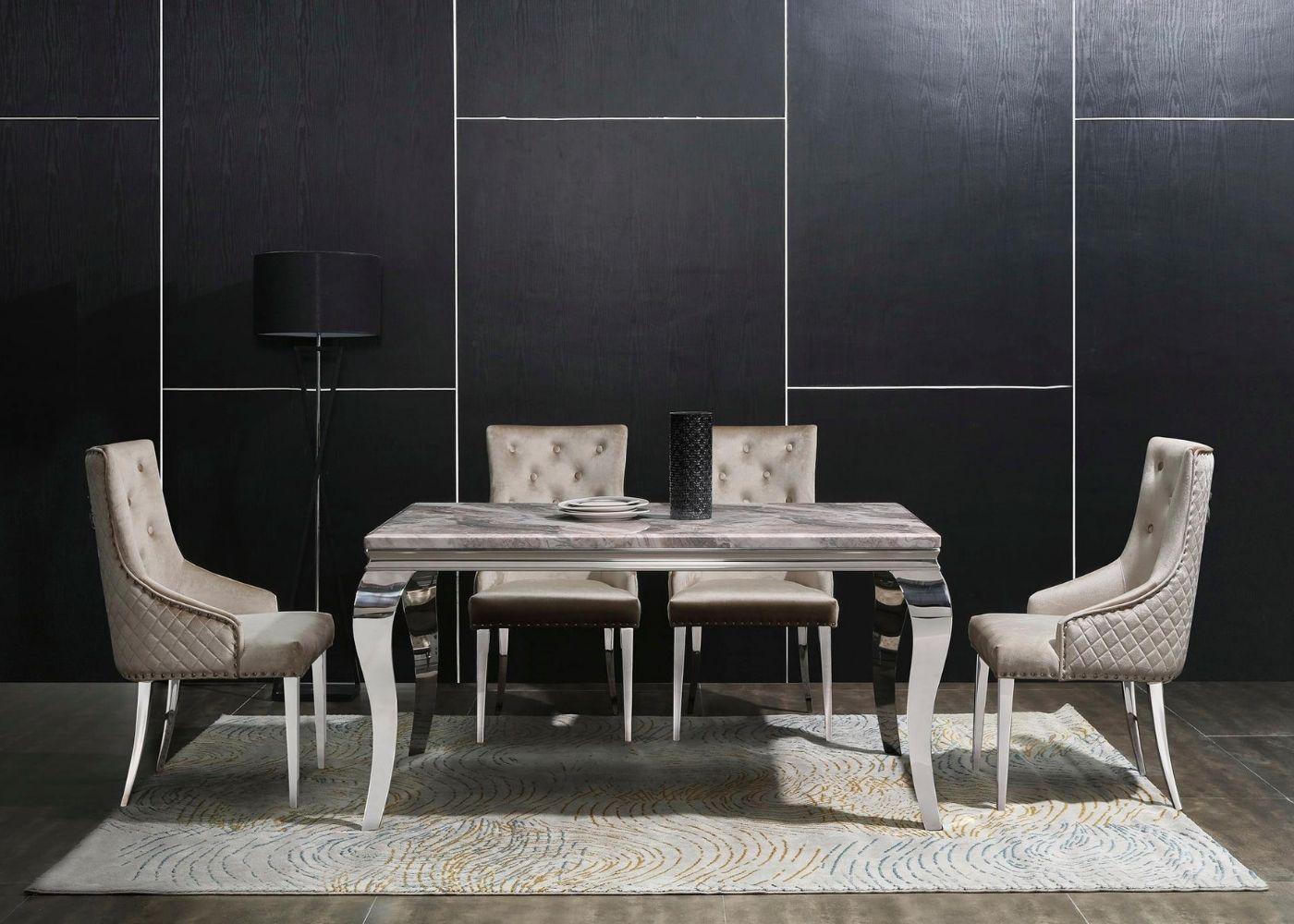
- Enhancing aesthetics: Furniture significantly contributes to a space’s overall look and feel. Interior designers carefully select furniture to complement a room’s design style and colour scheme.
- Creating a focal point: Furniture can be used to create a focal point in a room, such as an eye-catching statement piece or a grouping of furniture that draws attention.
- Defining space: Furniture can define and separate different areas within a room, such as a dining area or a cosy seating nook.
- Establishing scale: Furniture can help establish the scale of a room, creating balance and proportion.
- Providing comfort: Furniture should be comfortable, inviting, and practical. Interior designers select furniture that provides the right level of comfort for the intended use of space.
Elevating Your Home’s Aesthetics and Functionality
West Midlands Furniture Outlet Provides Exceptional Service and Expert Advice to Help Customers Find the Perfect Furniture Pieces for Their Homes. Here are some furniture pieces and ideas for placing them in a home for both aesthetics and functionality:
- RIO Dining chairs: Dining chairs can create a formal or casual dining area. Consider arranging them around a dining table in a symmetrical or asymmetrical pattern for visual interest.
- Armchairs: Armchairs can be placed in a living room or bedroom for additional seating and a cosy, inviting feel. Consider grouping two or more chairs together for a conversational area.
- Sofas: Sofas can create a comfortable and inviting seating area in a living or family room. Consider placing a sofa facing a fireplace or television for a cosy and functional layout.
- Ottomans: Ottomans can be used as extra seating, a footrest, or even a coffee table. Consider placing them in a living room or family room for versatility.
- Bookcases: Bookcases can store books, display decorative items, and create visual interest in a room. Consider placing a bookcase against a wall or using a built-in unit for a more seamless look.
- Side tables: Side tables can provide a surface for a lamp, book, or another item in a living room or bedroom. Consider placing them next to a sofa or armchair for convenience.
- Storage cabinets: Storage cabinets can store items and keep a room organized. Consider placing them in a kitchen, office, or pantry for practical storage solutions.
By incorporating furniture pieces and considering their placement in a home, you can create an aesthetically pleasing and functional space that meets your needs and reflects your personal style.