




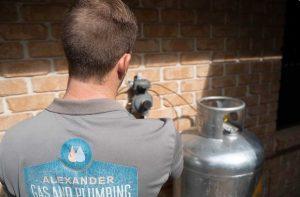
Gas fitters are essential professionals in the construction and maintenance industry. They are responsible for installing, repairing, and maintaining gas lines, appliances, and fixtures. These professionals require specialized training and certifications to work with gas, a highly flammable and dangerous substance.
In Brisbane, gas fitters are in high demand, given the city’s growing population and booming construction industry. In this article, we will take a fascinating behind-the-scenes look at gas fitters in Brisbane, exploring what they do, their training and certifications, and the challenges they face in their line of work.
What do gas fitters do?
Gas fitters are responsible for installing, repairing, and maintaining gas lines, appliances, and fixtures. They work with natural gas and propane, ensuring that gas-powered equipment functions safely and efficiently. click here Gas fitters install gas pipelines and valves, connect gas appliances such as stoves, water heaters, and fireplaces, and troubleshoot and repair gas-related issues.
Gas fitters in Brisbane work in residential, commercial, and industrial settings, serving homeowners, businesses, and government entities. They work on new construction projects, renovating buildings, and repairing gas lines and appliances.
Gas fitters must adhere to strict safety standards and regulations. They use specialized tools and equipment to ensure that gas lines and appliances are installed correctly and function safely. They also conduct inspections and tests to identify and repair gas leaks and other potential hazards.
Training and certifications for gas fitters in Brisbane
Gas fitters in Brisbane require specialized training and certifications to work with gas. They must complete a formal training program that includes both classroom instruction and hands-on experience. The training covers topics such as gas safety, gas appliance installation, and gas pipeline installation.
After completing the training, gas fitters must obtain certification from the Queensland Building and Construction Commission (QBCC). The certification process includes passing an exam and demonstrating proficiency in gas installation and repair.
In addition to QBCC certification, gas fitters in Brisbane must hold a gas work license issued by the Australian Gas Association (AGA). The license ensures that gas fitters are qualified and trained to work with gas safely and efficiently.
Challenges faced by gas fitters in Brisbane
Working as a gas fitter in Brisbane can be challenging, given the nature of the job. Gas fitters work with a highly flammable substance, which requires them to adhere to strict safety standards and regulations. They must be vigilant and attentive to avoid accidents and ensure that gas lines and appliances are installed and maintained correctly.
Another challenge faced by gas fitters in Brisbane is keeping up with changing technologies and regulations. Gas fitters must stay up-to-date with the latest trends and regulations in the gas industry to ensure that they are providing the best service to their clients.
Finally, gas fitters in Brisbane must work in all weather conditions. They must be prepared to work outdoors in extreme heat, cold, and rain to complete their work. This can be physically demanding and can pose additional safety risks.
Benefits of using a professional gas fitter in Brisbane
Using a professional gas fitter in Brisbane has many benefits. First and foremost, gas fitters are trained and certified to work with gas, ensuring that your gas appliances and pipelines are installed and maintained correctly. This reduces the risk of gas leaks and other hazards that can be dangerous and costly.
Gas fitters in Brisbane also have the knowledge and experience to troubleshoot and repair gas-related issues quickly and efficiently. They can identify and diagnose problems, recommend solutions, and implement repairs, ensuring that your gas-powered equipment is functioning safely and efficiently.
Finally, using a professional gas fitter in Brisbane can save you time and money in the long run. Gas fitters can help you select the right gas appliances and equipment for your needs, ensuring that you get the most value for your investment. They can also provide regular maintenance services to keep your gas appliances and pipelines in good working order, reducing the likelihood of costly repairs and replacements down the road.
Tips for choosing a gas fitter in Brisbane
When choosing a gas fitter in Brisbane, it’s important to do your research and select a qualified and experienced professional. Here are some tips to help you choose the right gas fitter for your needs:
Look for qualifications and certifications: Make sure the gas fitter you choose is certified by the QBCC and holds a gas work license issued by the AGA.
Check their experience: Look for a gas fitter with experience working in residential, commercial, and industrial settings.
Read reviews and references: Check online reviews and ask for references from past clients to ensure that the gas fitter has a good reputation.
Get multiple quotes: Compare quotes from several gas fitters to ensure that you are getting a fair price for the services you need.
Ask about guarantees and warranties: Make sure the gas fitter offers guarantees and warranties on their work to ensure that you are protected in case of any issues.
Conclusion
Gas fitters play a critical role in the construction and maintenance industry in Brisbane. They are responsible for installing, repairing, and maintaining gas lines, appliances, and fixtures, ensuring that they function safely and efficiently. Gas fitters require specialized training and certifications to work with gas, and they must adhere to strict safety standards and regulations.
If you need gas-related services in Brisbane, it’s important to choose a qualified and experienced gas fitter. Look for someone who is certified and licensed, has experience working in a variety of settings, and has a good reputation. By doing your research and selecting the right gas fitter, you can ensure that your gas-powered equipment and pipelines are installed and maintained correctly, reducing the risk of accidents and costly repairs.